
Kim Coursey
tony Dominguez
Kat Dominguez
Victory City Church
Austin
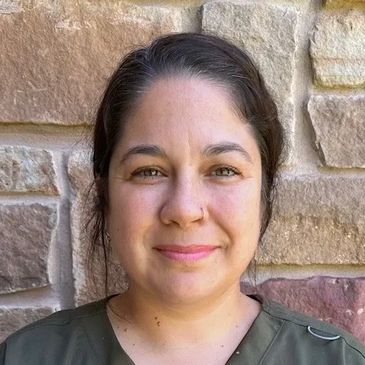
Kat Dominguez
tony Dominguez
Kat Dominguez
Mosaic Church
Austin

tony Dominguez
tony Dominguez
tony Dominguez
Mosaic Church
Austin

Raelyna Ford
tony Dominguez
tony Dominguez
First Methodist Mansfield
Dallas/Fort Worth
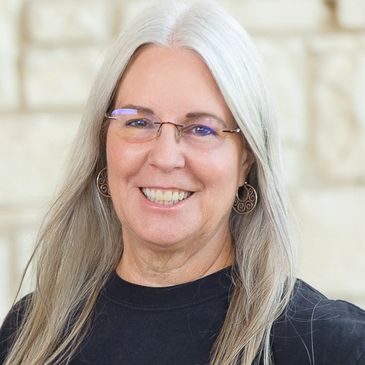
Jimmie Gillum
Jimmie Gillum
Jimmie Gillum
Christ Fellowship Church
Dallas/Fort Worth
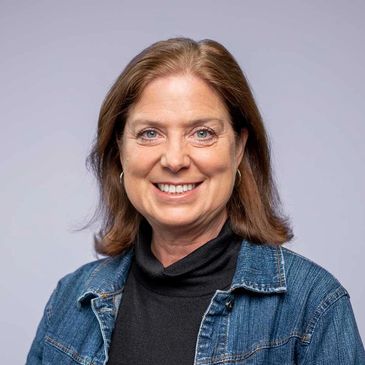
Darla Hill
Jimmie Gillum
Jimmie Gillum
Stonebriar Community Church
Dallas/Fort Worth
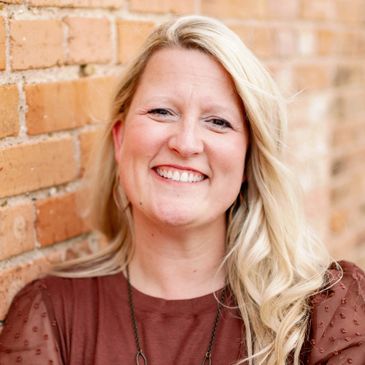
Kacey Jackson
Jimmie Gillum
Kacey Jackson
First Forney
Dallas/Fort Worth
Anna Kreiger
Jimmie Gillum
Kacey Jackson
The Woodlands Church
Houston

Stefani Matott
Laura Roodenburg
Stefani Matott
Red Rocks Church
Austin
Lara McClurkin
Laura Roodenburg
Stefani Matott
Houston's First Baptist Church
Houston
Shannon Pugh
Laura Roodenburg
Laura Roodenburg
Irving Bible Church
Dallas/Fort Worth
Laura Roodenburg
Laura Roodenburg
Laura Roodenburg
Joni and Friends
Texas
Lyndsay Samuel
Lyndsay Samuel
Lyndsay Samuel
River Pointe | West End Church
Houston
Meaghan Wall
Lyndsay Samuel
Lyndsay Samuel
Stonebriar Community Church
Dallas/Fort Worth

-Share the programs offered, the journey taken to be where you are, and plans to grow.
-Brainstorm ways to adapt small spaces? Large spaces?
-Show must-have items and explain their value.
-List steps and work through challenges to incorporate students into typical programs.
-Think through ideas to raise funds for renovations, adding equipment, and big projects.
-Describe the types of behavior that need correction at church and those that don't, and why.
-Show forms used to gather student information and discuss how to use what you learn positively.
-Show tools used to help students stay calm and content.
-Brainstorm ideas to modify environments so that students feel comfortable and safe.
-Discuss verbal praise and reward systems.
-Give examples of consequences that do and do not support desired behavior.
-Discuss the importance of aligning volunteers with ministry goals and beliefs.
-Share the information in your handbooks.
-Brainstorm ideas to recruit volunteers.
-Give examples of how you used challenges as training opportunities.
-Chat about the jobs volunteers can embrace to lighten your load.
-List outside resources that provide training in your area.
-Workshop converting a boring meeting into one that is fun and connects participants.
Show the "Tough Subjects" video that covers how to respond when our parents ask: "Should my child date? Are they saved? Should I place them in a facility or group home? Will God heal them? It also covers ways to respond when our special needs students' hormones lead to new behaviors, or when they show interest in developing intimate relationships.
-Share the types of language used by those with disabilities.
-Show examples of devices, software, and tools that students use to communicate.
-Discuss the role communication plays in building trust.
-Practice common sign-language words.
-Give examples of how students use behavior to express their feelings and needs.
-Role-play effective communication strategies.
-Share the types of difficult behaviors occurring and brainstorm solutions.
-Show samples of lost child protocols and incident reports.
-Discuss how a student, parent, or volunteer may feel if there's no reconciliation.
-Teach the differences between tantrums and meltdowns and how to react to each.
-Train how to release oneself from a grab of hair or body part.
-Practice guiding and blocking without grabbing or holding.
-Decide when to ask a parent to return.
-Have an ABA therapist join you.
-Review the many challenges faced by those with special needs.
-Share common preferences on how those with disabilities like to be addressed, assisted, etc.
-Set up stations where participants can experience what it's like to have autism, use a wheelchair, be vision or hearing impaired, etc.
-Discuss the fears related to approaching and interacting with someone different than us.
-List wrong perceptions and brainstorm ways to correct them.
-Have a panel of those with disabilities to share their preferences and answer questions.
-Share current and past events and describe what worked, and what didn't.
-Share checklists, guides, and forms used for events.
-Discuss ways to make church-wide events sensory-friendly.
-Show a list of events and like-minded organizations in your community.
-Share ways to raise funds and save money.
-Talk about reasons for ending activities and how to do it well.
-List needs that could be fulfilled by activities.
-Ask everyone to write down their church's goals and how their special-needs ministry helps achieve them.
-Share success and failure stories of experiences meeting with leaders.
-Discuss how keeping your students visible will bring others on board.
-Role-play a meeting with church leaders who have opposing views.
-Share documents that share your community's needs.
-Have a leader join your meeting to share helpful tips on working with committees and boards.
-Review scripture that supports a disability ministry.
--Have a parent share their story of how being accepted (or rejected) at a church impacted their family.
-Share moments when you realized a student understood God's love and grace.
-Practice what you would say to a parent who is discouraged about their child's faith.
-Brainstorm ways to encourage volunteers to keep teaching when discouraged.
-Adapt a typical lesson as a group.
-Show props you've used to engage all senses.
-Describe your classrooms set up and activities that encourage learning.
-Discuss how to adapt typical requirements for baptism and church membership..
-Make a list of the many decisions families need to make.
-Share examples of how your church's programs could help meet the practical needs of your families.
-Compile a list of reliable resources.
-Stress the importance of understanding how to protect a church's non-profit status while working with companies.
-Discuss how to recognize when parents are mourning typical milestones not reached.
-Describe ways to connect seasoned parents with newer parents.
-Ask your LIDDA representative to join your meeting.